 MERTON HISTORICAL SOCIETY
 Medieval freehold properties in Morden
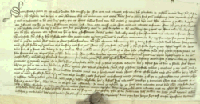
SHC K85/2/1: William Lovelas to John Playstowe of Merstham:1458 (c) Surrey History Centre
Essex Record Office and Surrey History Centre each hold documents that trace the descent of some freehold properties in Morden from the early 14th century until 1602.
More on these properties can be discovered from entries in the manorial court rolls.
Click on the link below to download the transcripts without images.
- ERO D/DP T388: Quitclaim by Peter de Staundon to Cristine, sister of Robert de Cheyh’m, of all right and claim to lands and tenements in Morden formerly Gerard de Staundon [=Wynteworthes] : 1317
- ERO D/DP T389: Charter of John Koc to John & Emma Spyke: lands in Morden at Gyllenelond and Suttoneheth [later held as part of Wynteworthes]: 1395
- SHC G1/1/43: Quitclaim by Agnes Martyn to John Chynnore and William Lovelas, of all her right, title and claim in a parcel of land in Morden (elsewhere called le Parklond): 1446
- SHC K85/2/1: Charter of William Lovelas confirming sale of tenement called Wynterworthes in West Morden and 8 acres called le Parklond in Morden to John Playstowe of Merstham, Surrey:1458
- SHC K85/2/2: Grant by John Playstowe of Morden to his brother William Playstowe of 42.25 acres arable and 1.75 acres meadow, part of his messuage, lands and meadows in Morden called Wynters:1540
- SHC K85/2/3: Letter from Richard Bray to John Playstowe of Merstham, cousin of John Playstowe deceased, concerning lands inherited from John Playstowe deceased, and occupied by his widow: 16th century (English)
- SHC K85/2/4: Indenture of sale by William Playstowe of Kingston to William Fromund of Cheam of his tenements and lands in Morden:1602 (English)
- SHC G1/1/49: Dispute between Thomas Jones and William Fromund of his messuage, lands and meadows in Morden formerly William Playstowe:1602
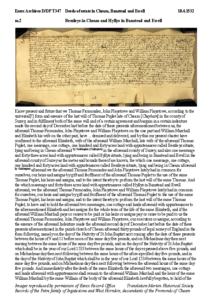
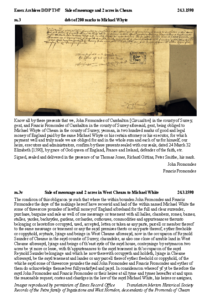
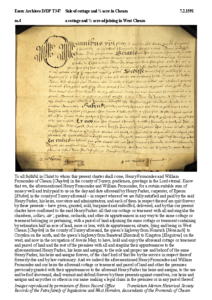
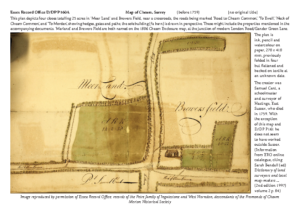
Or click on the thumbnails below to download the transcripts with images.
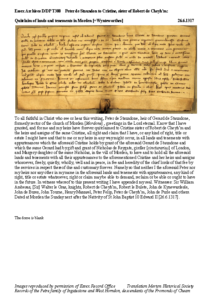
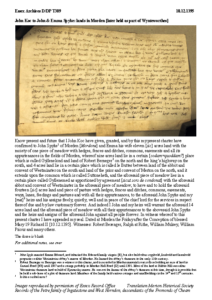
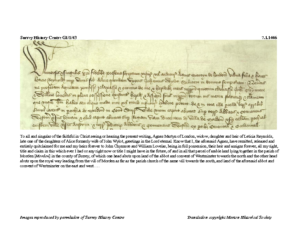
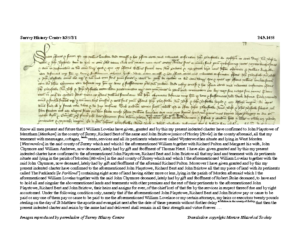
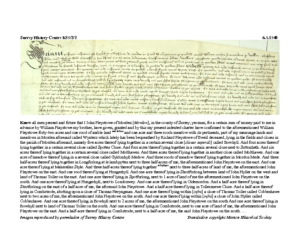
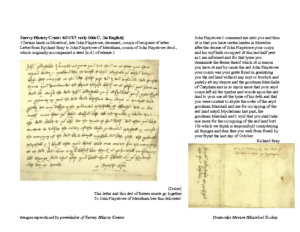
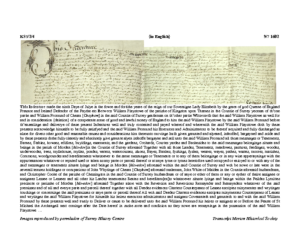
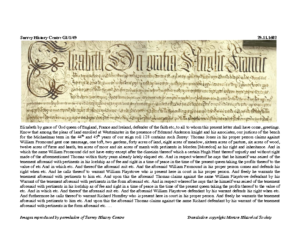
The initial transcriptions and translations were by Peter Hopkins, and most have been checked and corrected by Dr Mark Page.
Other Surrey properties, both copyhold and freehold, also passed to the Fromonds from the Playstowes, and the following documents provide additional information on the Playstowe family:
- ERO D/DP T348: Copies from court rolls of Cheam and Merstham: messuage + garden adjoining in Cheam: 1462-1554
- ERO D/DP T315: Quitclaim by John Burstowe junior of Horley & Thomas Gylmyn of Burstowe to John & Margaret Pleystowe of all their rights in Napulton tenement in Bletchingley : 1463
- ERO D/DP T347: Deeds of properties in Cheam, Banstead and Ewell : 1531-1591